Who shapes a manufacturing purchase
Ask a manufacturer who buys from them and the answer is often "the engineer". In practice, a significant purchase passes through many hands. The design or process engineer defines the need. Operations and maintenance care about uptime and service. Procurement checks supplier risk, terms and price. Finance signs off the budget and looks at whole-life cost. Health and safety, quality and senior management may all have a say.
Forrester's State of Business Buying 2024 found that, on average, 13 people within an organisation are involved in a buying decision, and that 89% of purchases involve two or more departments (Forrester, 2024). The same research found that 81% of buyers were dissatisfied with the provider they eventually chose, which suggests many buying groups settle for the supplier they knew rather than the one that fitted best.
6sense's 2025 Buyer Experience Report for Europe, a vendor survey of 945 B2B buyers in five European countries, put the average buying group at 9.2 people (6sense, 2025). The exact number varies by deal, but the point holds: a brand that only reaches the engineer is invisible to most of the people who decide.
Why awareness has to come before the shortlist
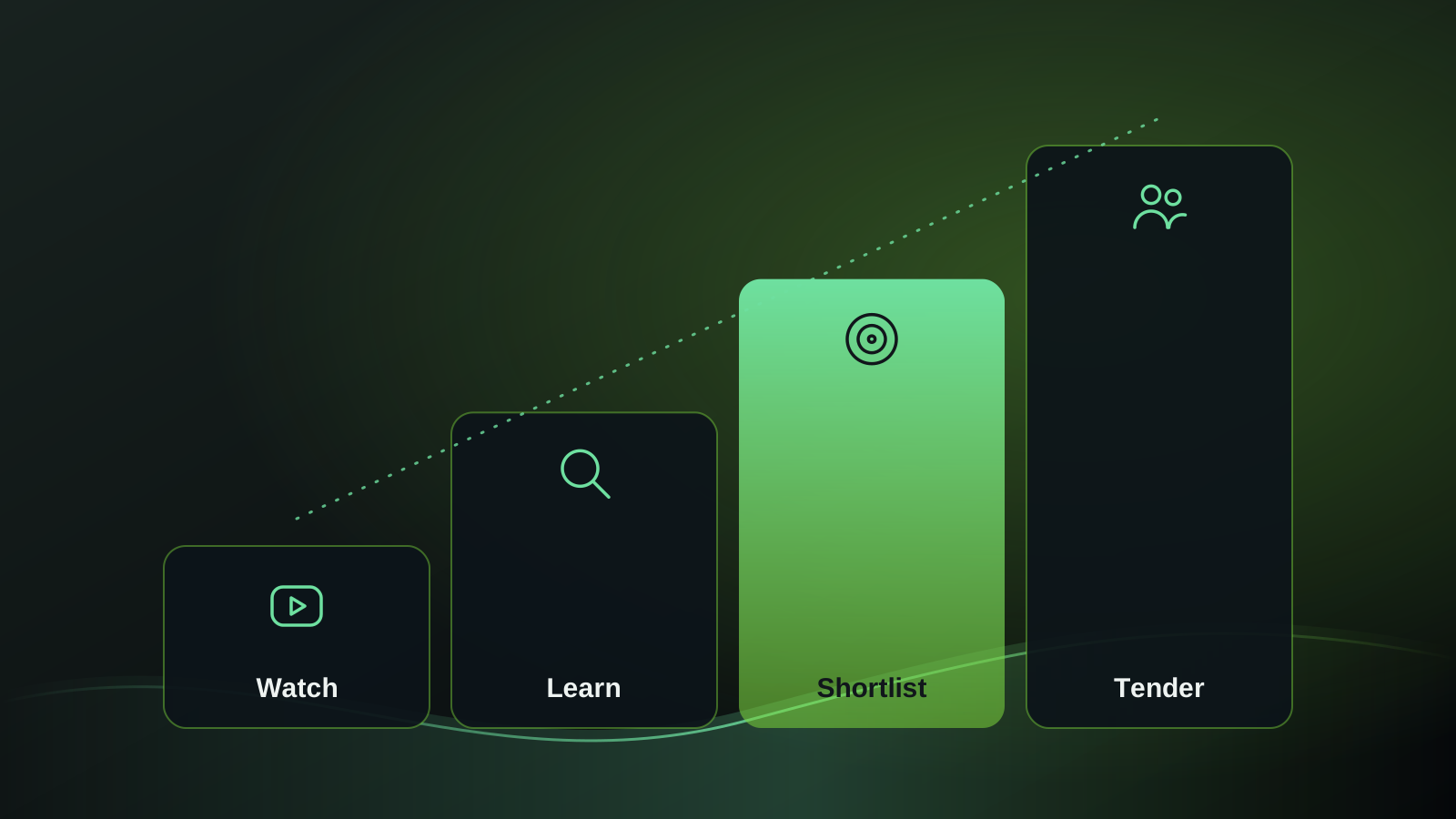
Buyers settle on their preferred supplier early. In the 6sense European study, buyers first contacted sellers 58% of the way through their journey, chose the vendor they bought from before speaking to sales about 75% of the time, and the eventual winner was on the first-day shortlist 92.4% of the time (6sense, 2025). The UK was not part of that sample, but the pattern matches what many UK sales teams describe.
Familiarity counts heavily among technical buyers. The 2026 State of Marketing to Engineers research, as reported by co-publisher Elektor, found 53% of technical buyers said brand familiarity influenced their most recent purchase, and 70% were more likely to choose a well-known brand when comparing similar solutions (Elektor, 2026). The 2025 edition found buyers spend on average 60% of the buying process online before speaking to a supplier (TREW Marketing and GlobalSpec, 2025).
Put together, this means brand awareness is not a soft extra for a manufacturer. It decides whether you are on the list at all. Display and PR are the two channels best suited to building that awareness across a whole buying group, because they reach people who are not yet searching for you.
Account-level display that reaches the right companies
Most manufacturers sell to a defined set of companies, often a few hundred to a few thousand. That makes account-level targeting the natural starting point. Build a list of target accounts with sales, then use it to target display and social advertising at people who work at those companies, across the roles that matter.
LinkedIn's company list targeting is one practical route. A list needs at least 300 rows to upload and must match at least 300 member accounts to run, can hold up to 300,000 companies, and LinkedIn recommends 1,000 or more companies for best results (LinkedIn, 2026). Programmatic platforms offer similar account-based options using company data, and can add contextual targeting on engineering and trade publication sites, so your ads appear next to the content your buyers already read.
Quality matters as much as targeting. The ANA's Q4 2025 Programmatic Transparency Benchmark, which measures the share of spend that buys impressions that are fraud-free, measurable, viewable and not on made-for-advertising sites, found top-performing advertisers converted 56.7% of programmatic spend into qualifying impressions, against 37.5% for lower performers (ANA, 2026). These are US figures, but the lesson travels: without inclusion lists, viewability standards and frequency caps, much of a display budget can disappear before anyone sees the ad. Our post on buying display by audience covers the wider approach.
- Use an agreed list of target accounts, refreshed each quarter with sales.
- Prefer private marketplace deals with trade and engineering publishers over the open exchange.
- Set inclusion lists of quality sites, not just block lists.
- Cap frequency so each person sees the brand regularly without being chased.
- Write different creative for engineering, procurement and finance, rather than one generic advert.
Digital PR that earns trade press coverage
Display buys attention; PR earns credibility. Trade and technical publications remain a primary research source for engineers, and coverage in them is read by the same buying groups you are targeting with display. Digital PR also earns links and mentions that help search engines and AI assistants recognise your brand.
Journalists are selective. Cision's 2025 State of the Media Report, a survey of more than 3,000 journalists in 19 markets, found 86% say they will immediately reject a pitch that is not aligned with their beat or audience, while 72% still cite press releases as the most useful resource PR teams provide (Cision, 2025). The implication for manufacturers is simple: pitch fewer, better stories to the right editors, with the facts, images and experts ready.
Stories that tend to work in manufacturing include original data (for example, a survey of maintenance engineers about downtime), application stories with real numbers that the customer has approved, expert commentary on regulation or skills, and engineering milestones such as a new test facility. Each piece of coverage can then be promoted through display and social to the target account list, which multiplies its reach. Our digital PR page explains how we plan this.
A method to follow
Treat display and PR as one programme with a shared audience and a shared message. The PR calendar supplies the stories; display makes sure the target accounts see them; measurement shows which accounts are paying attention.
For example, a hypothetical maker of packaging machinery with 400 target accounts might publish a short survey of factory managers on line changeover times, pitch the findings to three trade titles, and run display to its account list featuring the headline finding for operations leads and a cost-of-downtime message for finance. Over six months it would track branded search, visits from target accounts and the number of those accounts that entered the sales pipeline.
- Agree the target account list and the roles within each account with sales.
- Define one or two messages the brand should be known for, in plain language.
- Plan a quarterly PR calendar of stories built on data, applications and expertise.
- Brief display creative for each role, using the PR stories as proof.
- Run display through quality inventory with frequency caps and inclusion lists.
- Report monthly on reach within target accounts, and quarterly on brand search and pipeline.
Measuring brand search and recall over a long cycle
Clicks are a poor measure of brand display. Most people who see a display ad never click it, yet they may remember the brand when it matters. Measure what the activity is meant to change instead.
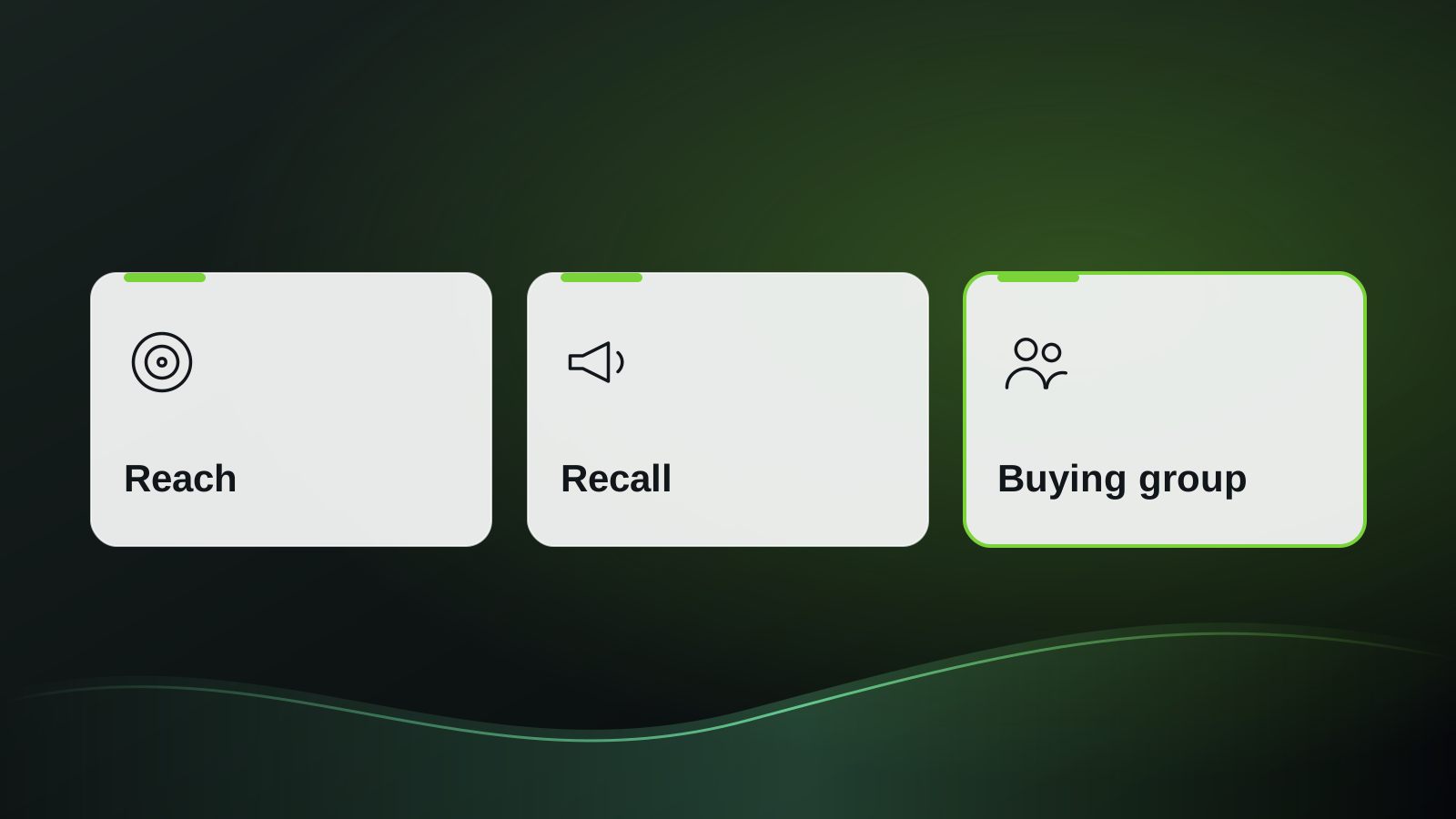
Start with reach and engagement within the target account list: how many accounts and roles saw the ads, and how many of those accounts later visited your website. Then track branded search over time in Google Search Console, including product names and searches that pair your name with terms such as "supplier" or "price". Count trade press coverage that reaches the right titles and the links and mentions it earns.
For recall, run a short survey of target-account contacts or trade show visitors before and after a campaign period, asking which suppliers they can name in your category. Finally, compare pipeline from accounts that were reached with accounts that were not. A long cycle means these signals build over two or three quarters, so agree the measures and the baseline before you spend. Our marketing science work covers how to set this up.
Common mistakes, what good looks like and what to ask a supplier
Common mistakes include running display on the open exchange with no account list and judging it on click-through rate, writing one advert for every role, sending generic press releases to every editor, stopping after a single quarter, and failing to tell sales which accounts have been engaging. Each wastes money on people who will never buy, or stops before the effect can show.
Good looks like a known list of accounts, a clear message, steady trade press coverage and display that every role in the buying group recognises. It looks like branded search rising, more target accounts visiting the website, and sales hearing "we have seen your name" on first calls. The wider principles are on our brand growth page.
- How will you build and refresh our target account list with our sales team?
- Which inventory will you buy, and how will you prove the ads were viewable and on quality sites?
- How will you tailor messages for engineering, procurement, operations and finance?
- Which trade titles will you pitch, and what stories do you expect to earn coverage?
- How will you measure brand search, recall and pipeline over a full sales cycle?
Put this into practice
Book a discovery call and we will review your channels and results first, then agree what to test.
Talk about reaching your buying groupQuestions and answers
How many people are involved in a typical B2B purchase?
Forrester's State of Business Buying 2024 found that, on average, 13 people within an organisation are involved in a buying decision, and 89% of purchases involve two or more departments. A 2025 6sense survey of European buyers put the average buying group at 9.2 people.
Does display advertising work for manufacturers?
It can, when it targets a defined list of accounts, runs on quality inventory and is judged on reach within those accounts, brand search and pipeline. Display bought on the open exchange and judged on clicks usually wastes money in a niche industrial market.
What is account-level targeting?
It means aiming advertising at people who work at a named list of companies, rather than at broad interests. LinkedIn's company list targeting, for example, accepts lists of up to 300,000 companies and recommends 1,000 or more for best results.
What makes a good trade press story for a manufacturer?
Original data, approved application stories with real results, expert comment on regulation or skills, and genuine engineering milestones. Cision's 2025 survey found 86% of journalists reject pitches that do not fit their beat, so target the right editors with ready facts and images.
How long does brand awareness take to show results?
Expect two or three quarters before brand search, recall and pipeline from target accounts move clearly. Manufacturing sales cycles are long, so agree measures and a baseline before the campaign starts and review them over a full cycle.
References
- Forrester, "To master B2B buying mayhem, providers must prioritize buyers' needs" (The State of Business Buying 2024), 2024
- 6sense, "2025 Buyer Experience Report: Europe", 2025
- Elektor, "2026 State of Marketing to Engineers: where technical buyers turn for answers, and who they trust", 2026
- TREW Marketing and GlobalSpec, "2025 State of Marketing to Engineers: Building Trust in the AI Era", 2025
- LinkedIn, "Company list targeting in Campaign Manager" (Marketing Solutions Help), 2026
- ANA, "ANA Q4 2025 Programmatic Transparency Benchmark shows media quality is now driving measurable performance outcomes", 2026
- Cision, "Cision's 2025 State of the Media Report reveals a tipping point for trust, technology, and PR-journalist partnerships", 2025

 Alexander