Why the shortlist forms before the tender
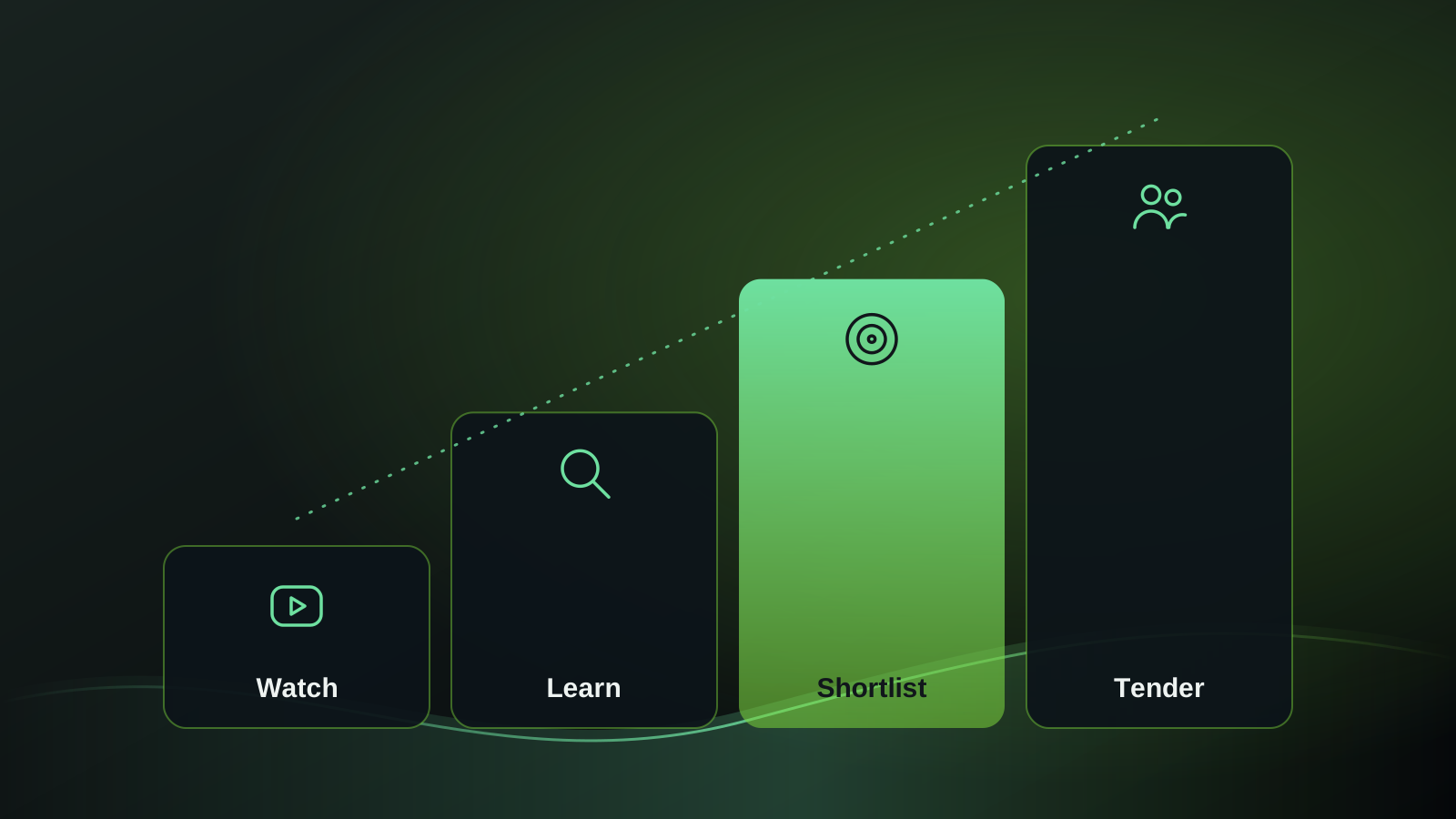
In most manufacturing purchases the real decision starts long before a formal tender or request for quotation. Engineers look for ways to solve a problem, compare approaches, check what is possible and form a view of which suppliers look capable. By the time procurement sends out documents, the list of names is often settled.
The research supports this. TREW Marketing and GlobalSpec's 2025 State of Marketing to Engineers survey of around 1,000 technical buyers found that, on average, 60% of the buying process happens online before buyers choose to speak to someone at the supplier, and 72% complete at least half of the process that way (TREW Marketing and GlobalSpec, 2025). This is a vendor study with a global sample, so treat the exact figures as indicative, but the direction is clear.
6sense's 2025 Buyer Experience Report for Europe, based on 945 B2B buyers in Belgium, France, Germany, the Netherlands and Sweden, found buyers made first contact with sellers 58% of the way through their journey. Buyers chose the vendor they eventually bought from before speaking to sales about 75% of the time, and the winning vendor was on the first-day shortlist 92.4% of the time (6sense, 2025). It is a vendor survey and does not include the UK, but it shows how little room a supplier has to change minds once the shortlist exists.
Familiarity decides a lot of those shortlists. The 2026 edition of the State of Marketing to Engineers research, as reported by co-publisher Elektor, found 53% of technical buyers said brand familiarity influenced their most recent purchase, and 70% were more likely to choose a well-known brand when comparing similar solutions (Elektor, 2026). Video is one of the most efficient ways for a manufacturer to become that well-known name.
Why engineers watch video, and where they watch it
Engineers use video to see things that a datasheet cannot show: how a machine runs, how a component fits, how a process handles a difficult material. In the TREW and GlobalSpec survey, 70% of technical buyers said they most often watch work-related video on YouTube, 46% on vendor websites, and only 6% said they do not watch work-related video at all (TREW Marketing and GlobalSpec, 2025).
Video does not replace technical documents. In the same study, datasheets were rated the most valuable content when researching a significant purchase (79%), with product demo video at 35% and instructional or how-to video at 29% (TREW Marketing and GlobalSpec, 2025). The lesson is that video should lead people to the specification, and the specification should be easy to reach from the video.
YouTube is also a mainstream screen, not a niche one. Ofcom's Media Nations 2025 report ranked YouTube as the second most-watched video service in UK homes, behind the BBC, with an average of 39 minutes a day of at-home viewing in 2024, 16 minutes of it on TV sets (Ofcom, 2025). Advertisers have noticed: IAB UK reports that UK online video ad spend rose 20% to £9.3 billion in 2025 (IAB UK, 2026). A manufacturer's video will compete for attention with everything else on the platform, which is a reason to make it useful rather than generic.
Formats that work for manufacturers
Most manufacturers already have the raw material for strong video: production lines, test rigs, skilled people and real applications. The task is to turn that into a small set of formats that answer the questions buyers ask at different stages, and to keep publishing them.
Customer proof is the most persuasive format and the one with the most rules. The UK advertising code requires marketers to hold documentary evidence that a testimonial is genuine and contact details for the person giving it (rule 3.47), and not to feature a testimonial without permission, which in practice means written permission (rule 3.50) (ASA, 2026). Many manufacturing customers also have confidentiality clauses, so agree what can be shown, named and filmed before the camera arrives.
- Process video: how you make, test or finish the product, filmed on the real line. It shows capability and quality control without any claims.
- Product video: a clear walk-through of one product or range, with the key specifications on screen and a link to the datasheet and CAD files.
- Application video: the product solving a named problem in a real setting, for example a seal in a high-temperature line or a conveyor in a food plant.
- Engineer explainers: one of your engineers answering a common technical question in under five minutes. These are often the videos that keep being found through search.
- Customer proof: a customer explaining why they chose you and what changed, used only with written permission and evidence that it is genuine.
Reaching the buying group over a long cycle
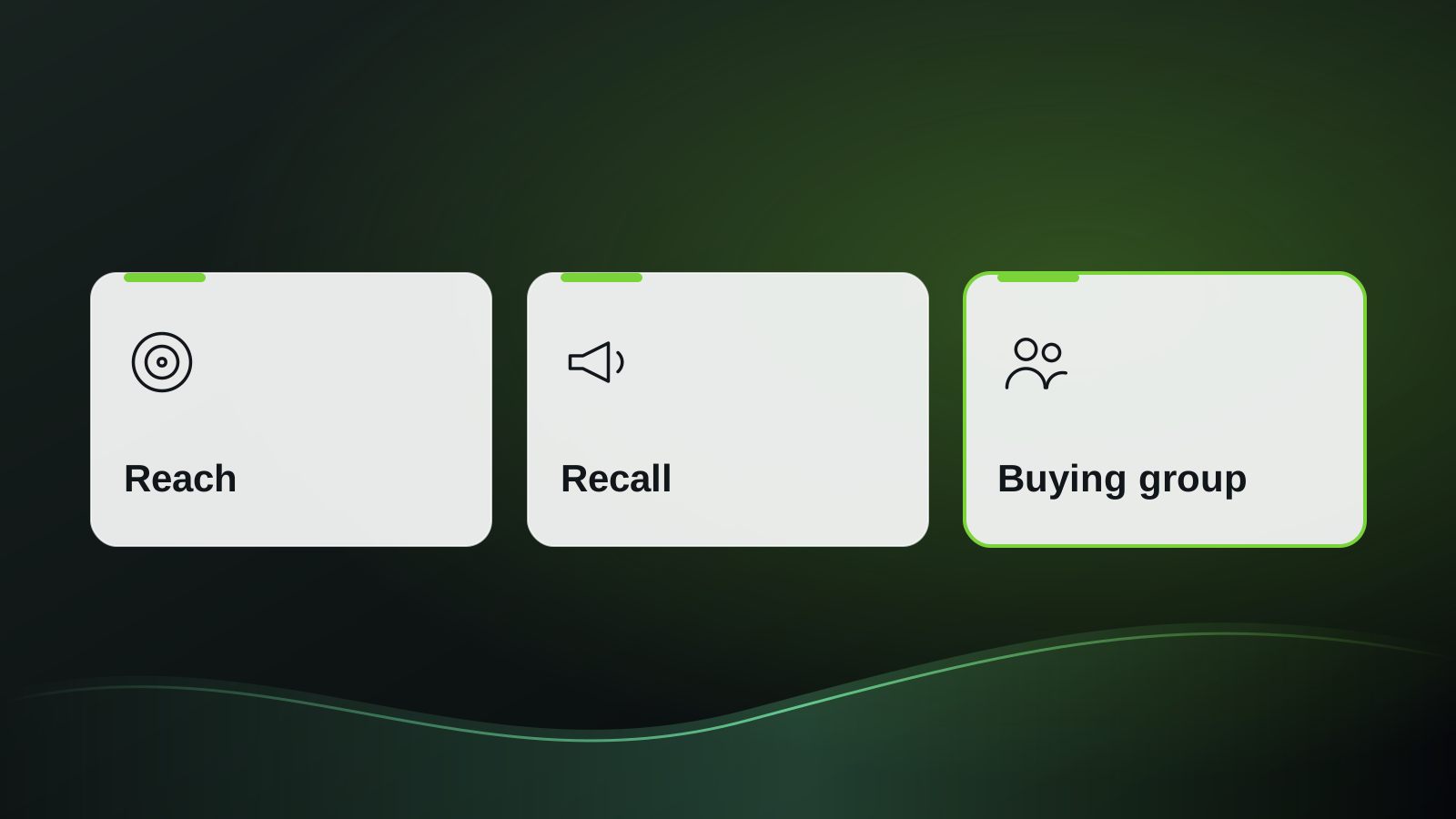
A manufacturing purchase is rarely one person's decision. Forrester's State of Business Buying 2024 found that, on average, 13 people within an organisation are involved in a buying decision, and 89% of purchases involve two or more departments (Forrester, 2024). 6sense's European study put the average buying group at 9.2 people (6sense, 2025). Either way, the design engineer who watches your application video is only one of the people you need to reach.
Each member of the group has a different question. Engineering wants to know whether it works and fits. Operations wants to know about uptime, maintenance and lead time. Procurement wants to know whether you are a safe supplier. Finance wants to know the whole-life cost. Plan short cuts of the same footage for each of them: a two-minute reliability story for operations, a supplier overview for procurement, and an explainer on running costs for finance.
Long cycles mean the brand must stay visible for months, not weeks. Organic publishing builds the library. Paid YouTube campaigns can then put the right cut in front of the right roles and keep the brand present between trade shows. Sharing the same videos through LinkedIn reaches named job titles at target companies; our LinkedIn for manufacturers page explains how that works alongside video.
A method to follow
Start with the questions, not the camera. Ask sales, applications engineers and technical support which questions come up most often, then check YouTube and Google autocomplete for how buyers phrase them. Each question becomes a candidate video.
For example, a hypothetical manufacturer of industrial pumps might find that its engineers are asked the same ten questions about pumping abrasive slurries. Ten short engineer explainers, three application videos from customer sites (with permission) and one process video from the test bay would give it a library that answers most early-stage questions, plus cuts for procurement and finance. That is a few days of filming, not a large production budget.
- List the 20 to 30 questions buyers ask most, grouped by role and stage.
- Choose two or three recurring formats you can sustain, rather than one expensive film.
- Film on the real shop floor with your own engineers, and put the answer in the first moments.
- Write titles that match how buyers search, and link every video to the datasheet, CAD files and a contact route.
- Embed each video on the relevant product or application page of your website.
- Use paid YouTube and LinkedIn to put role-specific cuts in front of target accounts.
- Review retention, search terms and enquiries every quarter, and film the next batch from what you learn.
Measuring brand lift and search demand
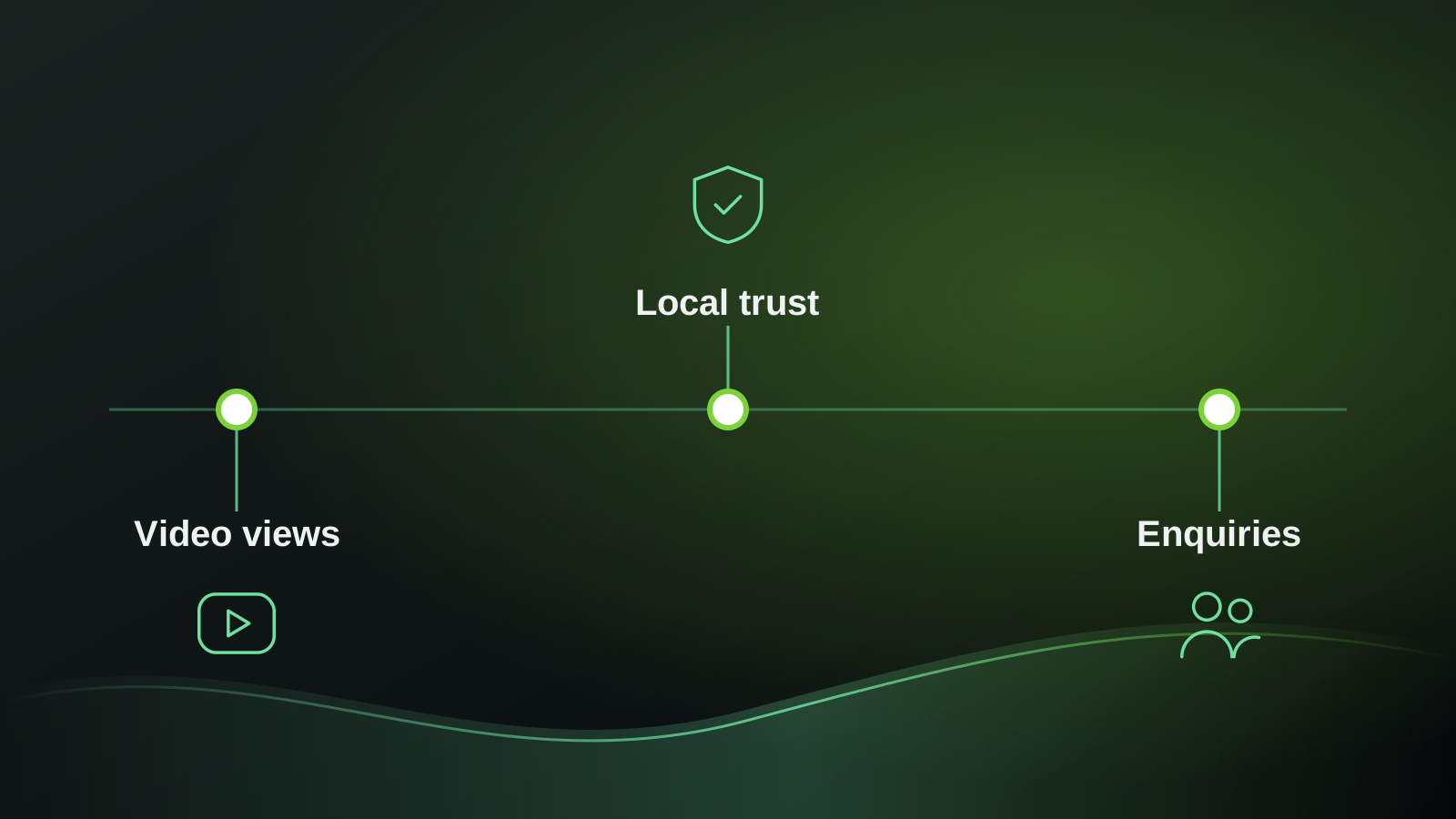
Brand video is judged over months. Use three layers of measurement. The first is attention: views, average watch time and audience retention by video, which show whether people find the content useful. YouTube Analytics lets you filter results by geography in advanced mode and compare videos or groups of videos side by side (YouTube Help, 2026), so you can see whether your target countries and regions are watching.
The second is brand effect. For paid campaigns, Google's Brand Lift surveys compare people who saw your ads with a control group who were eligible but did not, and report lift in measures such as ad recall, awareness and consideration. The tool is free but needs a Google account representative to set up (Google Ads Help, 2026). Alongside that, track branded search over time in Google Search Console, including searches for product names and your company name with words like "supplier" or "manufacturer".
The third is commercial. Ask sales to record how new contacts first heard of you, tag enquiries that arrive from video pages, and compare win rates for accounts that watched your videos with those that did not. Technical complexity was the most common reason engineers gave for first contacting a salesperson, cited by 47% (TREW Marketing and GlobalSpec, 2025), so look for better-informed first conversations as well as more of them.
Common mistakes, what good looks like and what to ask a supplier
The most common mistake is the corporate film: three minutes of drone footage and music that says little an engineer can use. Others include publishing a burst of videos for a trade show and then stopping, hiding specifications behind a form, using customer footage without written permission, and judging the work on views in the first month rather than on brand search and sales conversations over a year.
Good looks like a steady library of short, specific videos that answer real questions, made with your own engineers, linked to the technical detail and seen by every role in the buying group. It looks like a brand that buyers already recognise when the tender arrives, and sales conversations that start further along. Our YouTube and video page and the post on video that buyers choose to watch cover the wider channel plan.
- How will you find the questions our buyers ask, and who in our team will you interview?
- Which formats will you make for engineering, procurement, operations and finance?
- How will you handle customer consent, confidentiality and site safety when filming?
- How will you measure brand lift, branded search and enquiries, and over what period?
- How will paid YouTube and LinkedIn reach named target accounts without wasting spend?
Put this into practice
Book a discovery call and we will review your channels and results first, then agree what to test.
Plan video for your buying groupQuestions and answers
Do engineers really use YouTube for work research?
Yes. In TREW Marketing and GlobalSpec's 2025 survey of technical buyers, 70% said they most often watch work-related video on YouTube, and only 6% said they do not watch work-related video at all.
What kind of video works best for a manufacturer?
Short, specific video works best: process footage, product walk-throughs, applications in real settings and engineers answering common technical questions. Customer stories are persuasive, but UK advertising rules require written permission and evidence that each testimonial is genuine.
Do we need a big production budget?
Usually not. Engineers value clarity over polish. Good sound, steady footage of the real product and an expert who answers the question quickly matter more than cinematic production, and a modest budget spread across many useful videos often achieves more than one expensive film.
How long before brand video shows results?
Expect months. Retention and watch time show early signs within weeks, but changes in branded search, shortlist inclusion and win rates build over a sales cycle that can last a year or more, so set measurement up before you start.
How do we reach procurement and finance, not just engineers?
Make role-specific cuts from the same footage, such as a supplier overview for procurement and a running-cost explainer for finance, then use paid YouTube and LinkedIn to show each cut to the right job titles at your target accounts.
References
- TREW Marketing and GlobalSpec, "2025 State of Marketing to Engineers: Building Trust in the AI Era", 2025
- Elektor, "2026 State of Marketing to Engineers: where technical buyers turn for answers, and who they trust", 2026
- 6sense, "2025 Buyer Experience Report: Europe", 2025
- Forrester, "To master B2B buying mayhem, providers must prioritize buyers' needs" (The State of Business Buying 2024), 2024
- Ofcom, "Tuning into YouTube: UK's media habits revealed" (Media Nations 2025), 2025
- IAB UK, "Digital Adspend", 2026
- ASA, "Testimonials and endorsements" (CAP AdviceOnline), 2026
- Google Ads Help, "About Brand Lift", 2026
- YouTube Help, "Use advanced mode in YouTube Analytics", 2026
 Alexander