01
Value proposition
A clear statement of what the buyer gets, for whom and why it is better, above the fold and on every key page.
UK CRO service
Every other channel is paying to bring people to your site. We study where they drop out, test the changes most likely to help, and keep the wins that hold up, so each visit is worth more.
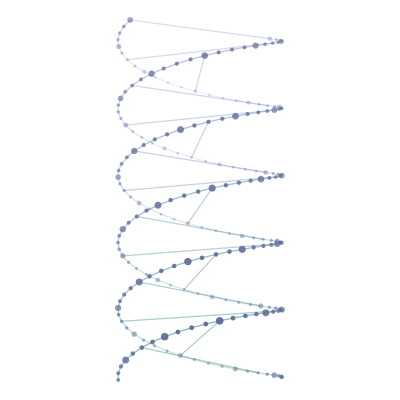
Select a node to see its links
Conversion work improves the pages that already get traffic, the cheapest growth once acquisition works.
Analytics, session recordings and user research show where people stall, so tests target the friction that costs the most.
How conversion works
Visitors leave for reasons you can find and fix. The work is in finding them, deciding what to change and proving the change works.
Analytics shows where people leave. Recordings and short interviews show why. Together they point to a short list of problems worth solving.
Each test starts with a specific reason, such as unclear price, weak proof or a form that asks too much. Tests without a reason rarely teach you anything.
Tests run against a control with a fixed duration and sample size. A result is kept only when it holds across devices and traffic sources.
Conversion work pays back through every channel at once. We report revenue per visitor and the value of each win, so the gain shows up in sales, not only in test results.
What moves conversion
Most conversion gains come from the same few areas: clarity, trust, speed and the ask. These are the areas we check first.
01
A clear statement of what the buyer gets, for whom and why it is better, above the fold and on every key page.
02
Price logic, what is included and what happens next are visible. Hidden costs are the most common reason people leave.
03
Reviews, case studies and credentials placed where doubt appears, not only on a testimonials page.
04
Slow pages lose visitors before they read anything. Speed work on mobile often delivers the quickest gains.
05
A single clear next step, with distractions removed. Pages with too many choices produce fewer actions.
06
Fewer fields, clear errors, guest checkout and visible progress reduce abandonment at the final step.
07
Most traffic is mobile. Thumb-friendly buttons, short forms and fast loading are tested on real devices.
08
Abandoned journeys, live chat and clear contact routes recover people who were not ready to act on the first visit.
What we run
Research, testing and build in one programme, so every test is backed by evidence and every win is kept.
01
Funnel, device and source analysis, with the leaks sized in revenue.
02
Recordings, heatmaps, surveys and interviews with real visitors and customers.
03
A ranked backlog of tests, each with a reason, an expected effect and a measure.
04
Tests run on your platform with proper sample sizes, holdouts and clear stop rules.
05
Page structure, copy and proof built for each intent, tested against the current page.
06
Field reduction, error handling and payment options tested for completion rate.
07
Image, script and server fixes prioritised by their effect on conversion.
08
Content changes for new versus returning visitors, or for each traffic source, where the volume supports it.
09
Revenue per visitor, the value of each win and the test backlog reported monthly.
Beyond this channel
Conversion work makes all acquisition more efficient. Every pound spent on traffic earns more once the pages can convert it.
BOOK A DISCOVERY CALLBetter landing pages turn the same paid traffic into more sales, lowering cost per acquisition.
Social traffic often needs a different page. We test variants by audience and source.
Email offers and flows point to pages that are tested for the action the message asks for.
Organic visitors arrive with research already done. Pages that answer their question and make the next step clear turn that visit into a sale.
People who come back need a short path to the decision. We test that path.
Holdouts and tests show which changes add revenue, so budget and effort follow evidence.
How it connects
Data, insight and customer behaviour flow across channels, so every interaction works harder and drives more revenue.
01
Test landing pages against search intent, so paid clicks convert at a higher rate.
Conversion contributes
Conversion learns
02
Judge social traffic by sales, with pages and offers tested by audience.
Conversion contributes
Conversion learns
03
Test the clicks from email for the action each message asks for.
Conversion contributes
Conversion learns
04
Count the lift once, with test results and holdouts feeding the attribution model.
Conversion contributes
Conversion learns
Common mistakes
Most lost sales come from friction that teams stop seeing. These are the habits that keep conversion low.
Changing button colours or headlines at random rarely teaches you anything. Tests should check a specific reason people do not buy.
Tests stopped after a few days often show lifts that disappear. Fixed sample sizes and durations protect you from false wins.
Desktop tests can hide problems on phones. Results are split by device, so a fix on desktop does not break the mobile journey.
Each mistake leaves sales on the table from visitors who were already interested. Fixing them protects the return from every channel that brings people to the page.
How we work
We start with where visitors drop out, then test the changes most likely to pay, and keep the wins that hold.
The engagement · six steps
We review the funnel, devices and sources to size the leaks in revenue.
Recordings, surveys and interviews explain the reasons behind the drop-off.
Hypotheses ranked by expected revenue and by how cheaply they can be tested.
Experiments run with fixed sample sizes, holdouts and clear success criteria.
Winning variants built properly and checked across devices and sources.
Revenue per visitor and the value of each win reported monthly.
| Segment | Reach | Completion | Impact | Status |
|---|---|---|---|---|
| Landing page | 90% | 34% | 66% | Contested |
| Product page | 71% | 48% | 58% | Working |
| Basket | 52% | 58% | 40% | Working |
| Checkout | 38% | 31% | 74% | Leaking |
| Post-purchase | 22% | 62% | 12% | Untested |
Relative reach by segment · illustrative
Gaps become the roadmap: checkout and landing page first.
Reviewed every monthWhat we report
CRO · Conversion
Share of visitors who complete the goal, by page and device
Revenue divided by visitors, by page and source
Share of tests that beat the control and held up
Load time for the pages that carry the most traffic
COMMERCIAL · Profit
Revenue added by winning tests, measured against holdouts
Spend per sale, improving as conversion rises
Contribution margin divided by visitors
Months until testing costs are recovered from extra margin
A revenue plan for this channel, not a media checklist. The metrics are how we measure it.
BOOK A DISCOVERY CALLTiming
Early tests can change results within weeks, but reliable wins need enough traffic. The timeline depends on volume, not on effort alone.
The audit and first tests usually show the largest leaks. Quick fixes to speed, forms or unclear offers often produce early gains, which we check against holdouts.
Traffic volume decides how quickly a test can read. Low-traffic sites test bigger changes and rely more on research, which we plan for in the roadmap.
We agree the baseline, the target metric and the test calendar before launch, so every review reports revenue per visitor against the same starting point.
Conversion gains compound. Each win raises the return from all traffic, so the value grows with every channel you run. We set the baseline in the first month to show the lift clearly.
Who it suits
Conversion work pays back where there is steady traffic and a clear action to take. Pick a model to see how it does the work.
Ecommerce
Product, basket and checkout tests affect every sale, so small lifts add up quickly. Mobile and desktop journeys are tested separately, because the same page can convert differently on each.
B2B
Clearer proof and simpler forms can raise the number of qualified enquiries from the same traffic. Each test runs long enough to show a real change in enquiries, not a short spike.
Travel and bookings
Booking flows lose people at each step, so tests on the flow can recover a large share of intent. Date, price and payment choices are tested in turn, so each step keeps more of the intent already there.
Subscriptions
Trial pages, pricing and onboarding are tested against conversion to paid, the number that matters. Each test is judged on paid conversion, not on sign-ups alone, so the gains show up in revenue.
It is the work of improving the share of visitors who complete a valuable action, such as buying, booking or enquiring. It makes existing traffic more productive.
Enough to reach a meaningful result within a sensible time. We check this in the audit, and where traffic is low we rely more on research and bigger changes.
No. Most tests do not win, and results vary by site. We commit to a disciplined programme, and we report the wins and the losses honestly.
Not as a first step. We test changes to the pages that matter most. Where a redesign is needed, we say so and plan it with the evidence behind it.
We use the analytics, testing and recording tools you already have where they are adequate, and recommend others only where the data needs them.
We measure revenue per visitor and the number of completed actions against a control. A win has to hold across devices and sources before we keep it.
Yes. We write the hypotheses and specifications, and your developers or agency build the changes. Testing tools are set up so changes can be shipped safely.
Traffic from any channel is tested by source. Paid search and organic visitors often need different pages, so we test them separately.
Often, yes. Smaller sites can test big changes and research without large sample sizes, and fixing checkout or forms often pays back quickly.
From the blog