What this guide covers
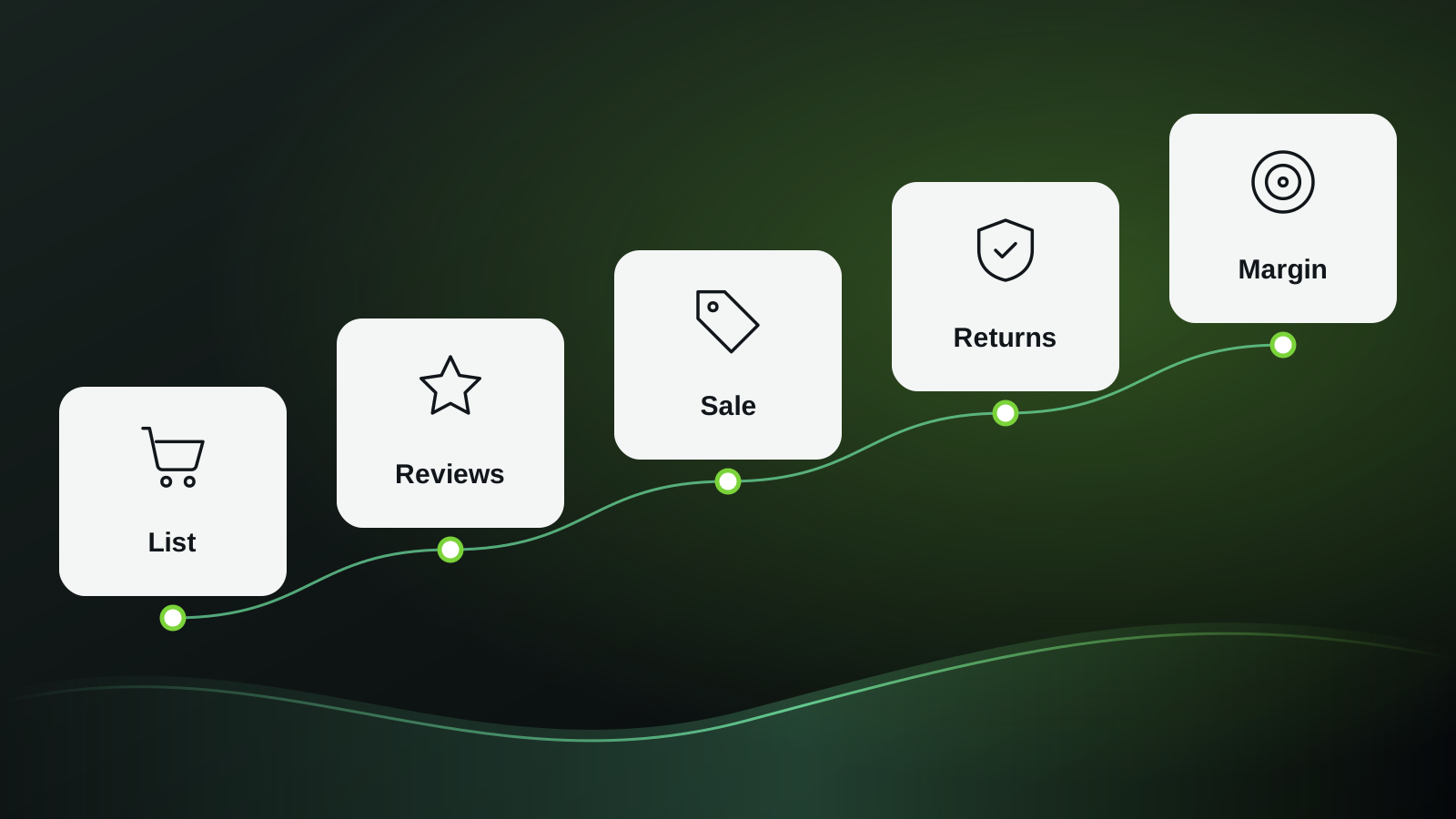
The question of whether to sell on marketplaces at all, or on your own site, is covered in marketplaces or your own site. This piece assumes you have decided to sell on at least one marketplace and need to run it profitably. It covers four practical areas: the real cost of each order, keeping stock accurate, controlling price and competing for the featured offer, and knowing when to stop.
The stakes are high because marketplaces are where much online shopping happens. Amazon says independent selling partners account for more than 60% of sales in its store (Amazon, 2026). The CMA estimated that about 280,000 independent sellers used Amazon's UK Marketplace in 2019, and noted that most sales go through the Buy Box (CMA, 2023). Competition for each sale is intense.
Online retail keeps growing. The ONS reported that online sales values in September 2026 were 6.8% higher than a year earlier, with online accounting for 28.8% of all retail sales (ONS, 2026). Marketplaces take a large share of that growth, so getting the economics right matters more each year.
Marketplace fees and what they do to margin
Fees are layered, and each layer is small enough to ignore on its own. On Amazon UK, the Professional plan costs £25 a month excluding VAT, the Individual plan charges £0.75 per item sold, and referral fees are mostly between 8% and 15%, with 15% for many categories and a minimum of £0.25 per item. Clothing is tiered at 5% up to £15, 10% from £15 to £20 and 15% above that. FBA storage for standard items rises from £0.76 to £1.51 per cubic foot per month in October to December, and the fuel and logistics surcharge on UK FBA fees rose from 1.5% to 2% on 2 November 2026 (Amazon, 2026).
eBay is similar in structure. For UK business sellers, final value fees in common retail categories sit mostly between 9.9% and 12.9%, for example 11.9% for clothing, shoes and accessories. There is a per-order fee of £0.40 on orders over £10, a regulatory operating fee of 0.35% of the total sale, and an extra six percentage points on final value fees if your performance falls below standard (eBay, 2026). The per-order fee rose from £0.30 to £0.40 in February 2026 (Value Added Resource, 2026).
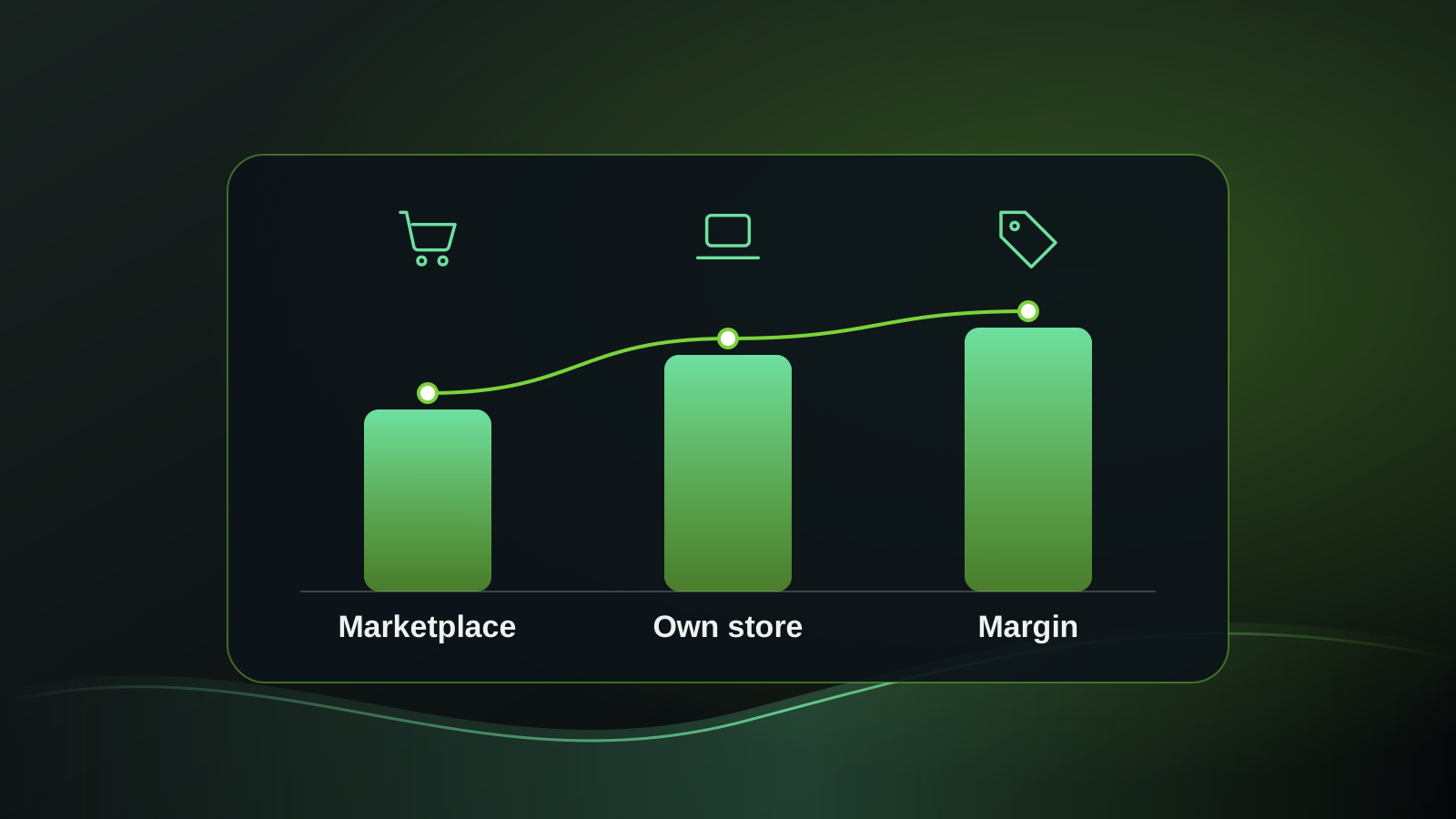
Add advertising, returns, packaging and payment of VAT on fees, and the true cost can be far higher than the headline rate. Always calculate margin per order, after every fee, for each product line.
A worked example of true cost per order
For example, a homeware retailer sells a £30 cushion through FBA. A 15% referral fee is £4.50. Fulfilment, storage, the fuel surcharge, sponsored ads at a few pounds per order, packaging and a share of returns could easily add another £8 to £10. If the product cost £12 to make and ship to the warehouse, the remaining margin is a few pounds at best, and it can disappear in the fourth quarter when storage doubles. The figures are hypothetical, but the structure is typical.
The lesson is to model each product line before listing it, and again each quarter. Some lines will clearly work. Others will only work at a higher price, in bundles, or by fulfilling yourself.
- Selling price, excluding VAT.
- Referral or final value fee, with any minimum.
- Plan fee or per-item fee, spread across monthly units.
- Fulfilment, storage and surcharges, with peak-season rates.
- Advertising cost per order.
- Returns, damages and packaging.
- Product cost and inbound shipping.
Keeping stock in sync across channels
Overselling is the fastest way to damage a marketplace account. If the same stock is listed on your website, Amazon and eBay, and a sale on one channel is not deducted from the others within minutes, you will sell items you do not have. Cancellations then hit your seller metrics, which affect visibility and, on eBay, can trigger the below-standard fee surcharge.
The fix is one stock pool with one source of truth, usually an inventory or order management system connected to every channel. Set buffer stock on fast-moving lines, so the last few units are only shown on your own site, and pause listings automatically when stock falls below the buffer. If you use FBA, decide which stock sits in Amazon's warehouses and which stays in yours, because FBA stock cannot easily serve other channels.
- One inventory system connected to every channel, updating at least every few minutes.
- Buffer stock on fast-moving lines, with the last units held for your own site.
- Automatic pausing of listings when stock falls below the buffer.
- A clear split between marketplace-fulfilled and self-fulfilled stock.
Pricing rules and the Buy Box
On Amazon, most sales go through the featured offer, often called the Buy Box. Following commitments to the CMA in 2023, Amazon agreed to treat all offers equally when choosing the featured offer (CMA, 2023). From May 2024, eligibility for Prime and the Prime badge stopped being a criterion in the UK, so merchant-fulfilled sellers can compete on a more equal footing if their delivery is fast and reliable (ChannelX, 2024).
Price still matters, alongside delivery speed and seller performance. That creates a risk: automatic repricing tools that chase the lowest price can push you below your margin floor and drag down your own website pricing. Set a minimum price for every product, based on the true cost per order, and never let a repricer go below it.
Brands and retailers selling their own products should also decide whether to allow other sellers to list them. If you sell branded products, consider which lines go on marketplaces at all, which are kept for your own site, and how you will respond if other sellers undercut your price.
When a retailer should stop selling on a marketplace
Stepping back is a legitimate decision, not a failure. The trigger should be a rule agreed in advance, not a bad month. Review each product line quarterly against the true cost per order and decide whether to keep, reprice, change fulfilment or delist.
It is often the product line, not the whole marketplace, that should go. A retailer might keep high-margin, small, light items on Amazon while moving bulky or low-margin lines to its own site. Measure what happens to direct sales after delisting, because some customers will follow you.
- Margin per order, after every fee and advertising, is below your floor for two quarters.
- You cannot win the featured offer without pricing below your floor.
- Advertising cost per order keeps rising while organic sales fall.
- Marketplace prices are undercutting your own site and harming direct sales.
- Seller metrics or stock accuracy problems cannot be fixed within your current operations.
Measuring, common mistakes, and supplier questions
Measure contribution margin per order and per product line on each marketplace, not just revenue. Track featured offer share, advertising cost of sale, cancellation and late-dispatch rates, stock accuracy and returns. Compare marketplace growth with direct site sales, to see whether the marketplace is adding customers or moving them.
Common mistakes include listing the full range without a margin check, ignoring peak storage fees, repricers without floors, separate stock counts for each channel, and judging success on revenue alone. Good looks like a short list of profitable lines, one stock pool, clear price floors, and a quarterly review with a stop rule. Our marketplaces and eCommerce sales pages explain how this fits a wider plan.
- How will you calculate true cost per order for each product line, including peak fees?
- How will stock stay in sync across every channel, and how quickly?
- What price floors will you set, and how will repricing be controlled?
- What share of the featured offer do we win today, and how will you improve it?
- What rule will we use to decide when to delist a product line?
Put this into practice
Book a discovery call and we will review your channels and results first, then agree what to test.
Review your marketplace marginsQuestions and answers
How much does it cost to sell on Amazon UK?
Amazon UK charges either £25 a month on the Professional plan or £0.75 per item on the Individual plan, both excluding VAT. Referral fees are mostly between 8% and 15% of the sale, with a £0.25 minimum in most categories. FBA sellers also pay fulfilment, storage and surcharge fees on top.
What fees do business sellers pay on eBay UK?
UK business sellers on eBay pay a category-based final value fee, mostly between 9.9% and 12.9% in common retail categories, plus a £0.40 per-order fee on orders over £10 and a 0.35% regulatory operating fee. Sellers whose performance falls below standard pay an extra six percentage points.
How do I stop overselling across marketplaces?
Use one inventory system connected to every channel, so a sale anywhere updates stock everywhere within minutes. Hold buffer stock on fast-moving lines, show the last few units only on your own site, and pause listings automatically when stock falls below the buffer.
How does Amazon choose the Buy Box seller in the UK?
Amazon considers factors such as price, delivery speed and seller performance. After commitments to the CMA, it agreed to treat all offers equally, and since May 2024 Prime eligibility has not been a criterion in the UK. Fast, reliable delivery and a competitive price above your margin floor help most.
When should a retailer stop selling on a marketplace?
When margin per order, after all fees and advertising, stays below your agreed floor for a sustained period, or when winning sales requires pricing below that floor. Often it is specific product lines rather than the whole marketplace that should go, so review each line quarterly.
References
- Amazon, "Selling on Amazon fees and pricing", 2026
- eBay, "Selling fees for business sellers", 2026
- Value Added Resource, "More fees, less margin: eBay raises final value fees in UK and Germany", 2026
- Amazon, "2025 Small Business Empowerment Report", 2026
- Competition and Markets Authority, "CMA secures improvements in ways Amazon and Meta treat competitors, benefitting customers", 2023
- Competition and Markets Authority, "Investigation into Amazon's Marketplace", 2023
- ChannelX, "Amazon Featured Offer (Buy Box) eligibility from May 2024", 2024
- Office for National Statistics, "Retail sales, Great Britain: September 2026", 2026
 Alexander