What local retargeting is, and why it differs from online retargeting
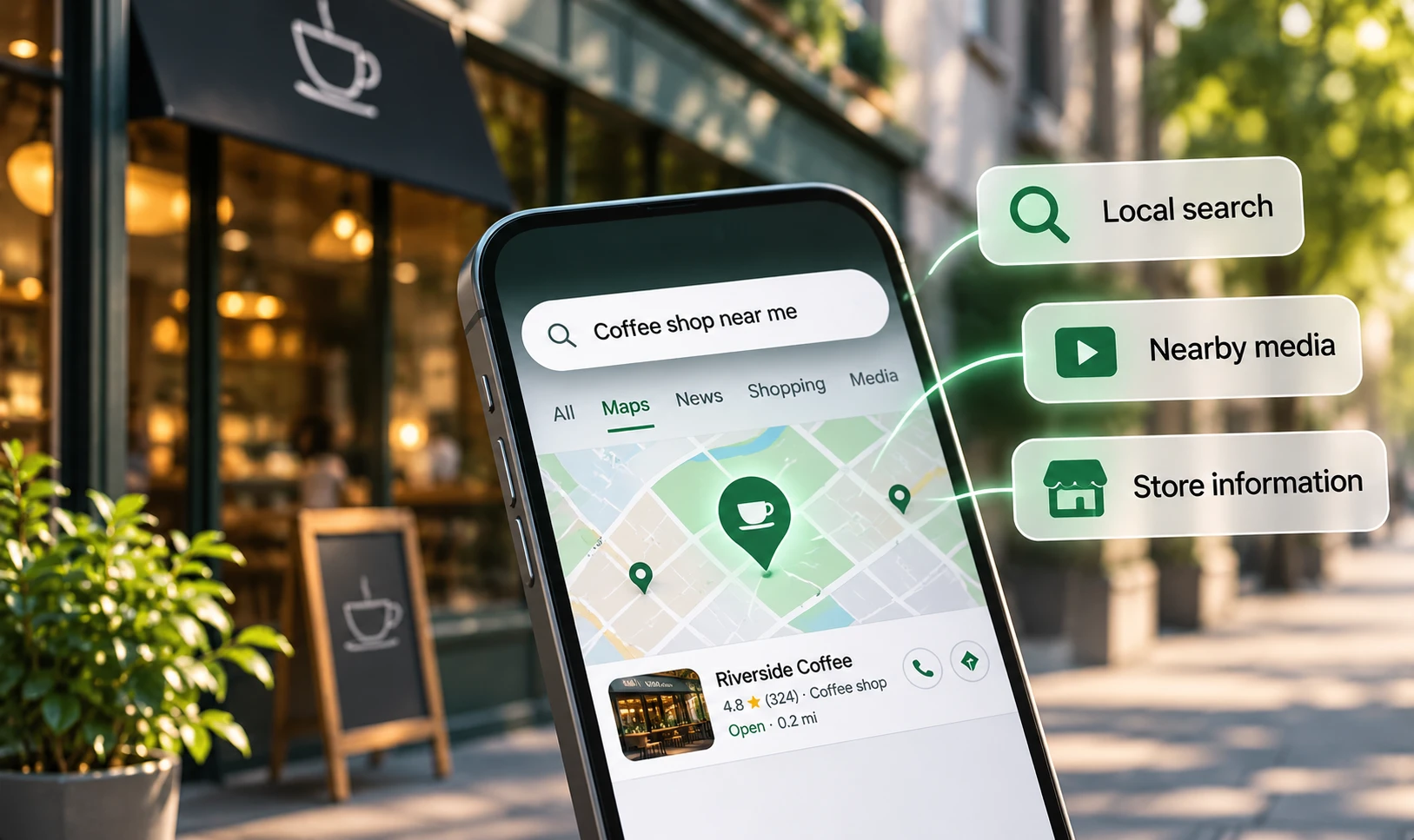
Most retargeting is built for online checkout: someone views a product, leaves, and sees that product again until they buy or the cookie expires. Local retargeting has a different goal. The person searched for something like "running shoes near Leeds station" or visited your store locator, and the aim is to get them through the door, not back to a basket. That changes the message, the timing and the way you judge success.
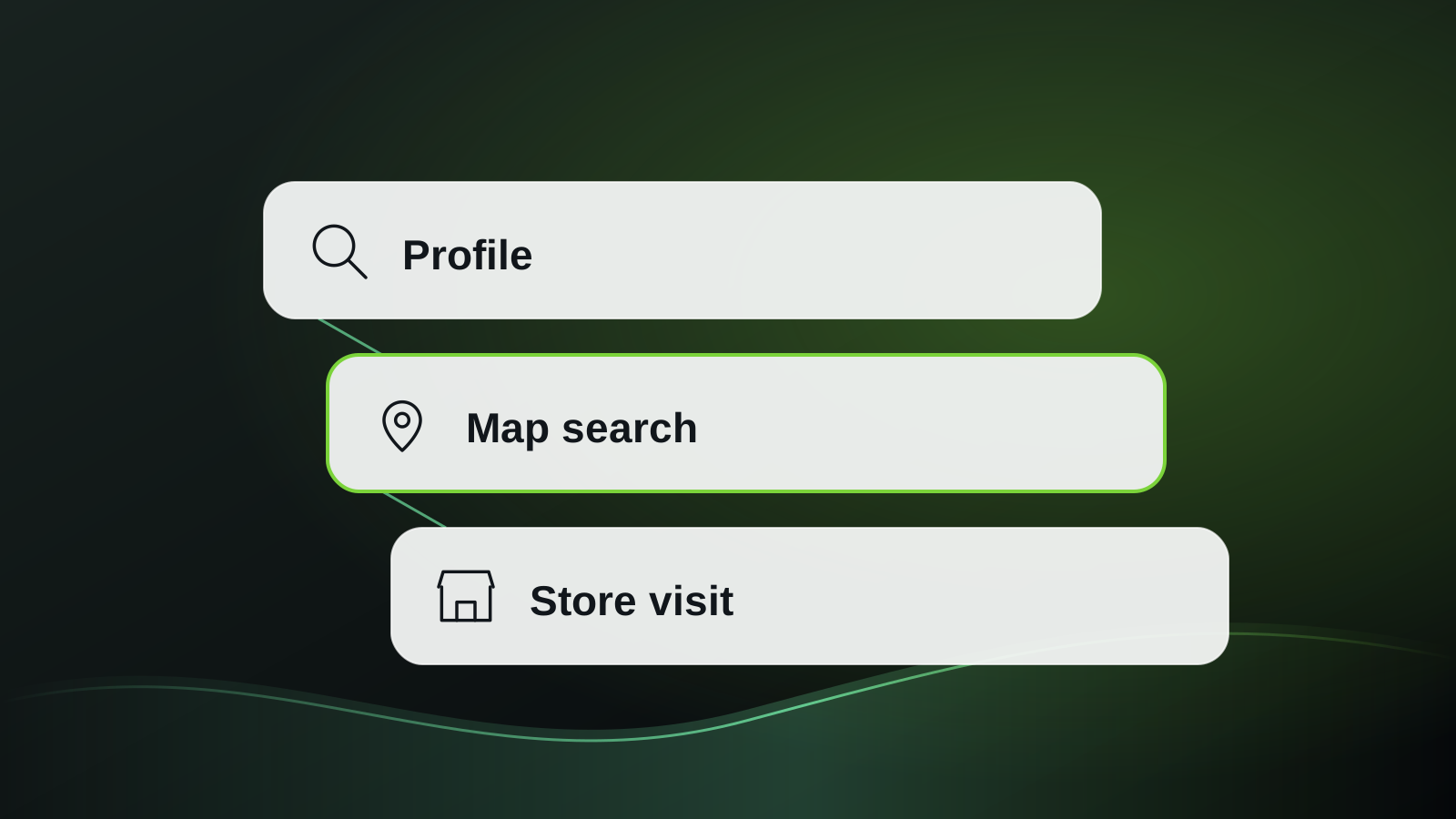
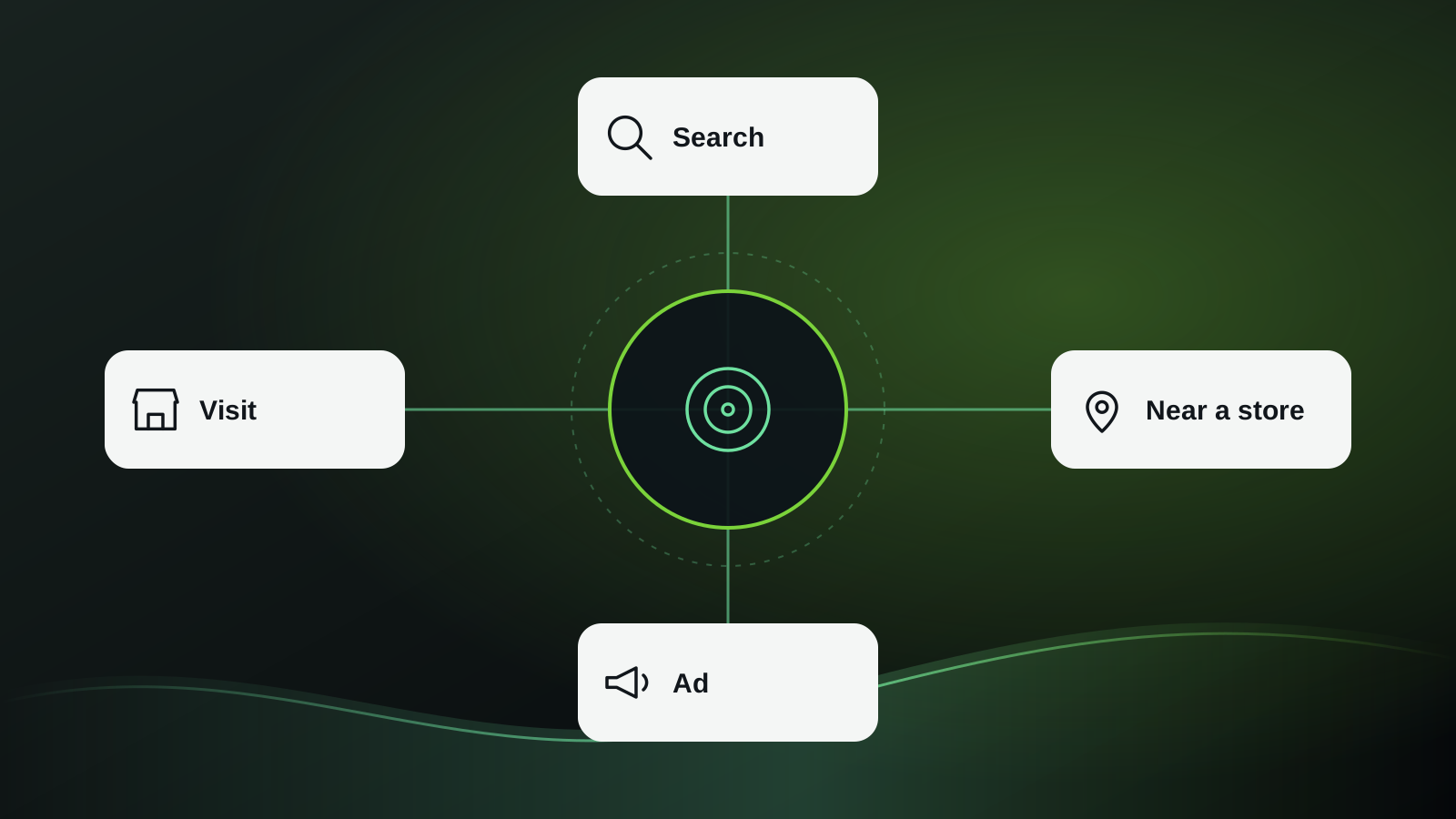
The signals are usually simple. People who clicked a search ad with a location attached, people who viewed a store page or used the store finder on your site, and people who searched terms that include a town, a postcode area or "near me" are the core of the audience. Each signal tells you two things: what they wanted, and roughly where they wanted it.
This matters because the store is still where most retail money changes hands. The Office for National Statistics put online sales at 28.8% of all British retail sales in September 2026, which means roughly seven pounds in ten are still spent offline (ONS, 2026). A retargeting plan that only counts online orders ignores most of the outcome a retailer with shops actually cares about.
Why it matters now
Local intent is fragile. Someone who searched for a product near a store this morning may have bought it elsewhere by the afternoon. BrightLocal's 2026 survey of 1,002 US consumers found that 31% visited a business location after reading positive reviews, and 74% wanted to see reviews from the last three months (BrightLocal, 2026). That is a US sample, but the pattern is familiar: shoppers check, compare and then act quickly. Retargeting is a way to stay in the conversation during that short gap.
People also spend a great deal of time in places where retargeting appears. Ofcom's Online Nation report found that UK adults spend about four and a half hours online a day, mostly on smartphones (Ofcom, 2025). The opportunity is real, but so is the risk of becoming the brand that follows someone around the internet with the same banner for a fortnight.
There is a regulatory reason to get this right too. The Data (Use and Access) Act 2025 raised the maximum fine for breaches of the UK cookie and marketing rules from £500,000 to £17.5 million or 4% of worldwide turnover, whichever is higher (Womble Bond Dickinson, 2026). Local retargeting relies on advertising cookies and similar identifiers, so consent is not a detail to leave to the website team.
How it works: audiences, recency and frequency
Start by building a small number of audiences that each reflect a clear intent. A store-finder audience, a product-near-store audience and a lapsed-local-customer audience will usually outperform one large pool, because each can have its own message and its own window. In paid search, the same lists can be used to raise bids for people who have already shown local interest when they search again, which is often the most efficient use of the audience.
Recency rules should follow the buying cycle. For everyday or urgent items, the useful window is often a few days; after that, the person has probably bought. For considered purchases such as furniture, bikes or electricals, two to four weeks may be reasonable. Treat these as starting points to test, not fixed rules, and shorten the window if later days show weak response.
Frequency caps protect both results and reputation. A sensible starting point is a small number of impressions per person per day, with a weekly ceiling, and a hard stop once someone has visited or bought. Older research for the ICO, published by Ofcom, found that 63% of people initially thought it acceptable to see ads in exchange for free websites, but that fell to 36% once they were told how their data might be used to target them (Ofcom, 2019). Heavy repetition is exactly what makes people notice targeting.
- Store-finder audience: people who used the locator or viewed a store page, with a short window and a message about opening hours, stock or parking.
- Product-near-store audience: people who searched or browsed a product with a local term, shown availability at the nearest store.
- Lapsed local customers: past buyers who consented to marketing, reached with a reason to come back, not a generic discount.
UK privacy rules: cookies, consent and location
Under the Privacy and Electronic Communications Regulations (PECR), storing or reading advertising cookies and similar identifiers on someone's device needs their consent. The 2025 Act added new exceptions for low-risk uses, such as gathering usage statistics to improve a website and remembering display preferences, which came into force on 5 February 2026. None of these exceptions covers advertising, so retargeting tags still need a clear opt-in (Womble Bond Dickinson, 2026).
The Information Commissioner's Office has been checking how this works in practice. Its review of the UK's top 1,000 websites tested whether advertising cookies were set before a choice was made, whether rejecting was as easy as accepting, and whether cookies were placed without consent. By December 2025, 979 of those sites met the checks at their latest test (ICO, 2025). Large retailers are now held to that standard, and smaller ones should expect the same questions.
Location deserves extra care. Precise location data can reveal a lot about a person, so avoid building audiences around sensitive places and keep radius targeting broad enough that it describes an area, not an individual. If you upload customer lists to ad platforms, check that the people on them agreed to that use. A practical rule: if a shopper would be surprised to learn how they ended up in an audience, the audience needs rethinking.
A method you can follow
For example, a retailer with 25 stores might start with three audiences across two channels, run them for eight weeks, and hold back a random share of each audience as a control group that sees no retargeting. The plan below is a simple version of that approach.
The key is to make one change at a time. If you change the message, the window and the cap in the same week, you will not know which one moved the result. Keep a short log of what changed and when, so later readings make sense. For more on the wider mix that drives footfall, see how local search and media drive store visits.
- Confirm that your consent banner blocks advertising tags until someone opts in, and that rejecting takes no more effort than accepting.
- Make sure every store has a verified Business Profile and that location assets are switched on in your search campaigns.
- Build no more than three intent-based audiences, each with its own recency window and frequency cap.
- Write messages that answer a local question: is it in stock nearby, when is the store open, how do I get there.
- Hold back a control group from each audience before launch, so you can compare visits and sales later.
- Review weekly for the first month, then fortnightly, and shorten windows that show weak late response.
Measuring store visits without over-claiming
Google Ads can report store visit conversions, but it is worth understanding what they are. Google describes them as modelled, anonymised and aggregated estimates based on signed-in users who have location history switched on, extrapolated to the wider audience. Accounts need verified Business Profile locations, active location assets, enough ad engagement and enough footfall to pass privacy thresholds, and eligibility is not guaranteed (Google, 2026). Treat the figure as a directional signal, not a till receipt.
The most reliable read comes from comparing like with like. A holdout group that saw no retargeting, or a set of matched stores where the campaign did not run, tells you how many visits would have happened anyway. Pair that with store sales by location and week. If the exposed group or stores do not outperform the control, the reported visits were probably people who were coming regardless.
Avoid adding modelled store visits to online conversions and calling the total "return". Report them side by side, with the method stated, and show the incremental difference against the control. A smaller honest number is more useful to a finance director than a large figure nobody believes.
Common mistakes, what good looks like, and supplier questions
The usual mistakes are predictable: windows that run for 30 days by default, no frequency cap, the same creative shown to every audience, tags firing before consent, and success judged on platform-reported visits alone. Another is forgetting to exclude people who have already visited or bought, which wastes budget and irritates customers.
Good local retargeting looks modest. Audiences are small and specific, messages answer a local question, frequency is low, consent is clean, and the results are reported as an uplift against a control. Over time you learn which store types, product groups and windows respond, and budget moves towards them. Our retargeting and paid search pages explain how this fits a wider plan.
- How do you make sure advertising tags only fire after consent, and how will you show me?
- What recency window and frequency cap will you start with for each audience, and why?
- How will you measure incremental store visits, and what control group will you use?
- How will you report modelled store visits alongside online conversions without double counting?
- Which audiences will you exclude, and how quickly are buyers and visitors removed?
Put this into practice
Book a discovery call and we will review your channels and results first, then agree what to test.
Plan local retargeting for your storesQuestions and answers
What is local retargeting?
Local retargeting shows a follow-up message to people who searched for a product or an area near one of your stores, or who used your store finder. The aim is to bring them into the store rather than back to an online basket, so messages focus on local stock, opening hours and directions.
Do I need consent to retarget people in the UK?
Yes. Under PECR, advertising cookies and similar identifiers need the person's consent before they are set or read. The exceptions added in 2026 cover low-risk uses such as website statistics and display preferences, not advertising, so retargeting tags should only fire once someone has opted in.
How long should a local retargeting window be?
It depends on the buying cycle. For everyday or urgent purchases, a few days is often enough, because people buy quickly. For considered purchases such as furniture or electricals, two to four weeks can be reasonable. Start with a short window, test a longer one, and cut days that show little response.
Are Google store visit conversions accurate?
They are modelled estimates, not counts of individual visits. Google bases them on anonymised, aggregated data from signed-in users with location history switched on, then extrapolates. They are useful as a directional signal, but the most reliable test of value is a comparison against a control group or matched stores.
How many ads should one person see?
As few as needed to be useful. Start with a low daily cap and a weekly ceiling, and stop showing ads once someone has visited or bought. Research for the ICO found people became much less comfortable with ads once they understood how targeting worked, so heavy repetition tends to hurt the brand.
References
- Office for National Statistics, "Retail sales, Great Britain: September 2026", 2026
- BrightLocal, "Local Consumer Review Survey 2026", 2026
- Ofcom, "From apps to AI search: how the UK goes online in 2025", 2025
- Womble Bond Dickinson, "New exceptions for non-intrusive cookies: the ICO's updated guidance has landed", 2026
- Information Commissioner's Office, "ICO action secures increased cookie compliance", 2025
- Ofcom, "Internet users' experience of online advertising", 2019
- Google, "About shop visit conversions", 2026
- Google, "Guidelines for representing your business on Google", 2026
 Alexander